
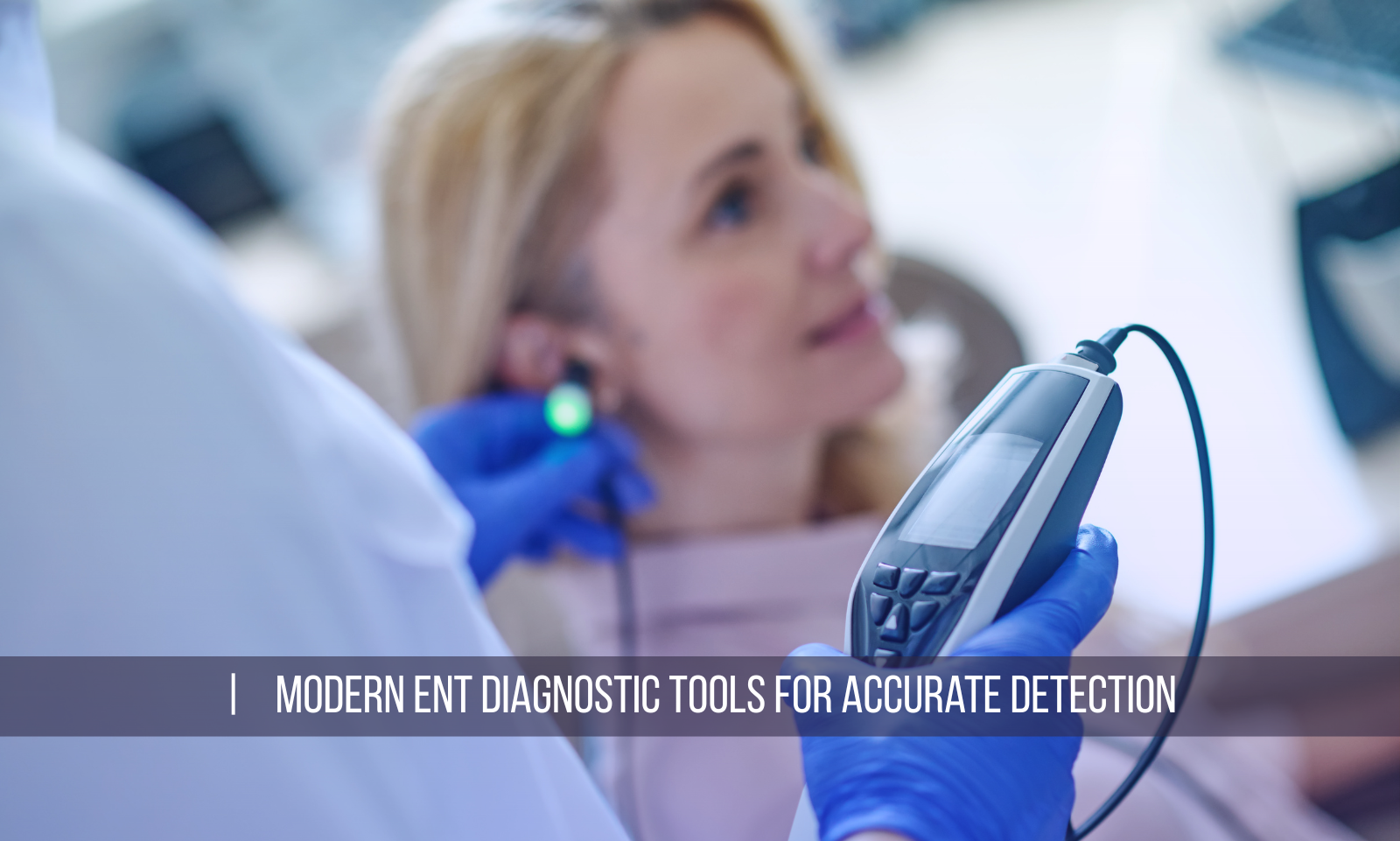
Modern ENT (Ear, Nose, and Throat) diagnostic tools are revolutionizing the way medical professionals detect, diagnose, and treat various conditions. With the continuous advancement of technology, these tools have become indispensable in the medical field, ensuring precise and early detection of issues related to the ear, nose, and throat. This article explores some of the top modern ENT diagnostic tools and their importance in the healthcare system.
Why Modern ENT Diagnostic Tools Is Vital
Early and accurate diagnosis in ENT is crucial because it directly impacts the effectiveness of treatment. Timely identification of conditions such as hearing loss, sinus issues, or throat abnormalities can prevent further complications, reduce discomfort, and improve overall patient health. Modern ENT diagnostic tools offer non-invasive and highly effective methods for detecting these conditions at an early stage, ensuring that patients receive the care they need promptly.
Top Modern ENT Tools Today
Some of the most significant advancements in ENT diagnostics include audiometry, endoscopy, tympanometry, and the use of imaging technology. These tools are designed to provide high accuracy and allow healthcare professionals to detect a wide range of conditions more efficiently. Whether you’re looking for advanced diagnostic machines for your practice or simply seeking more information on the subject, here’s an overview of the top tools being used today.
Audiometry Made Simple
Audiometry is one of the most common diagnostic tests in ENT. This tool helps in assessing the patient’s hearing ability and detecting hearing loss. It measures the response of the ear to different sound frequencies and intensities. The test is non-invasive and offers a simple, effective way to evaluate the auditory health of individuals. Modern audiometry devices are more accurate and easier to use, offering clear results that aid in faster diagnosis and treatment planning.
Inside Look with Endoscopy
Endoscopy plays a critical role in visualizing the internal structures of the ear, nose, and throat. Using a flexible tube with a light source and camera at the end, ENT specialists can examine the nasal passages, throat, and even the inner ear. This method is highly effective for detecting tumors, infections, and other abnormalities that may not be visible through external examinations. The modern endoscopic tools are compact, user-friendly, and have enhanced image quality for better diagnostic results.
Understanding Tympanometry
Tympanometry is a diagnostic test that evaluates the function of the middle ear. By measuring the movement of the eardrum in response to changes in air pressure, tympanometry helps detect issues such as fluid buildup, ear infections, or eustachian tube dysfunction. Modern tympanometers are designed to provide accurate and quick readings, allowing healthcare providers to diagnose middle ear conditions efficiently.
New Imaging Tech in ENT
With advancements in imaging technology, ENT specialists now have access to high-resolution images that aid in diagnosing a wide range of conditions. CT scans, MRIs, and high-definition endoscopic imaging allow doctors to see detailed images of the ear, nose, and throat structures. This advanced imaging enables them to detect problems like tumors, infections, and structural abnormalities at an early stage, which is vital for timely intervention.
Portable ENT Devices Explained
One of the most exciting advancements in modern ENT diagnostics is the development of portable diagnostic devices. These tools allow healthcare professionals to perform diagnostic tests at the point of care, whether it’s in a clinic, home, or emergency setting. Portable audiometers, tympanometers, and even handheld endoscopes offer the convenience of mobile diagnostics without compromising on quality or accuracy. These devices are perfect for patients who require frequent monitoring or for those in remote areas where access to healthcare facilities may be limited.
Comfort Meets Technology
Comfort is a significant consideration in the design of modern ENT diagnostic tools. These tools are made to ensure minimal discomfort during the examination process. Advanced features like adjustable settings, flexible probes, and non-invasive technologies improve patient comfort while still delivering accurate results. By blending comfort with technology, ENT diagnostic tools make the experience more pleasant for patients, leading to better cooperation during tests.
Picking the Right Tool
Choosing the right diagnostic tool for your practice or healthcare facility is critical to achieving the best outcomes. It’s essential to consider the tool’s accuracy, ease of use, and whether it fits the needs of your patients. The right tool can significantly impact diagnosis speed, treatment efficiency, and patient satisfaction. Be sure to consult with ENT specialists and consider factors such as the scope of your practice, the patient demographic, and your budget.
Future of ENT Diagnostics
The future of ENT diagnostics is incredibly promising, with ongoing innovations in artificial intelligence (AI), machine learning, and robotics. These technologies are expected to further enhance the accuracy, speed, and accessibility of diagnostic tools. AI-powered devices are already being tested for predicting conditions and analyzing diagnostic data more efficiently, providing specialists with faster, more reliable insights.
Conclusion
Modern ENT diagnostic tools are vital in ensuring accurate and early detection of ear, nose, and throat conditions. With advancements in technology, healthcare professionals can offer more precise diagnoses, leading to better patient care and outcomes. As we look toward the future, innovations in ENT diagnostics will continue to improve the way conditions are identified, treated, and managed.
Frequently Asked Questions (FAQs)
What is audiometry in ENT?
Audiometry is a test that measures hearing ability by assessing the ear’s response to different sound frequencies and intensities. It is used to detect hearing loss.
How does endoscopy help in ENT diagnostics?
Endoscopy allows doctors to visually examine the internal structures of the ear, nose, and throat using a small camera, which helps in detecting conditions like tumors or infections.
What does tympanometry test for?
Tympanometry is used to test the middle ear’s function by measuring eardrum movement in response to air pressure changes, helping detect ear infections or fluid buildup.
Are portable ENT devices accurate?
Yes, modern portable ENT devices provide highly accurate results, making them a convenient option for point-of-care diagnostics in various settings.
Why is early ENT diagnosis important?
Early diagnosis of ENT conditions ensures timely treatment, reducing the risk of complications and improving overall patient health outcomes.
What are the future trends in ENT diagnostics?
The future of ENT diagnostics includes AI-powered tools and robotics, which will enhance accuracy, efficiency, and accessibility in diagnosing ear, nose, and throat conditions.