
In today’s fast-paced world, healthcare is evolving rapidly, and hospitals are adopting new technologies to improve patient care. One area where this transformation is especially noticeable is in the field of ENT care technology for hospitals. From advanced diagnostic tools to more efficient treatment options, technology is revolutionizing how ENT specialists provide care. This article explores how ENT care technology for hospitals is making a significant difference and why it matters today.
Why ENT Care Technology For Hospitals Matters Today
Modern ENT technology is essential for improving the accuracy and effectiveness of treatments in ear, nose, and throat care. With the rise of chronic conditions such as hearing loss, sleep apnea, and sinusitis, ENT care technology for hospitals has become indispensable. These technologies enable faster, more accurate diagnoses, leading to more effective treatments. Moreover, innovations in ENT technology enhance patient experience, making care more comfortable, efficient, and less invasive.
Game-Changing ENT Tools
One of the most exciting developments in ENT care is the introduction of digital endoscopes and high-definition imaging. These tools allow ENT specialists to view the internal structures of the ear, nose, and throat with incredible precision. This technology enables them to detect problems earlier, which leads to better outcomes for patients. Advanced imaging tools also help in planning surgeries, improving success rates and reducing complications.
Tech That Comforts Patients
Patient comfort is a priority in ENT care. Modern technologies are designed to minimize discomfort and make procedures faster and more accurate. For instance, laser treatments for nasal obstructions are less invasive than traditional surgery, allowing for quicker recovery times. Furthermore, robotic surgeries are becoming increasingly popular in ENT, providing surgeons with greater control and precision while minimizing trauma to the surrounding tissues.
Smarter Hearing Tests
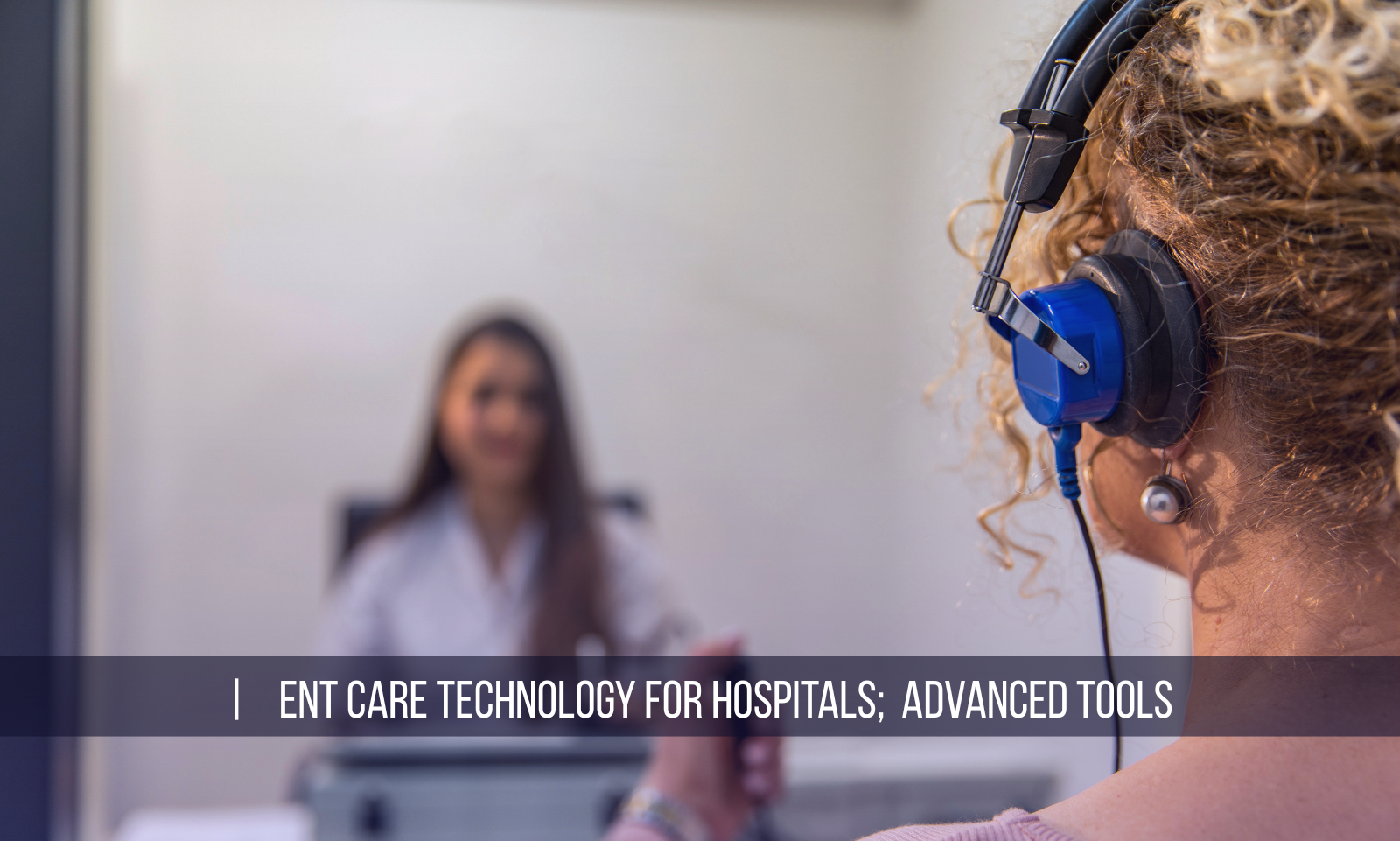
Hearing loss is one of the most common conditions addressed by ENT specialists. With ENT care technology for hospitals, hearing tests have become more sophisticated. Audiologists now use computer-assisted hearing test systems that provide more detailed and accurate results. These systems can evaluate a patient’s hearing range, sensitivity, and ear health in real-time, allowing for personalized treatment plans. For patients, this means better hearing aids and more effective treatments for hearing loss.
Next-Gen Surgical Tools
Surgical advancements in ENT care technology for hospitals have made procedures safer and more efficient. Robotic-assisted surgeries are now being used to treat conditions such as tumors, obstructions, and nasal deformities. These tools provide precision and reduce the risk of human error. Surgeons can perform minimally invasive procedures, reducing recovery times and improving the overall patient experience.
Clearer Diagnosis with Imaging
Imaging technology has dramatically improved diagnostic capabilities in ENT care. From MRI and CT scans to advanced 3D imaging, ENT specialists now have access to detailed visualizations of the internal structures of the ear, nose, and throat. This technology allows for quicker and more accurate diagnoses, enabling doctors to tailor treatments to the individual needs of patients.
ENT Care Goes Virtual
Telemedicine is revolutionizing ENT care, making it easier for patients to access specialist care without needing to visit the hospital. Virtual consultations have become increasingly popular, especially for follow-up appointments or when patients need quick advice. ENT care technology for hospitals supports these virtual visits by providing high-quality video conferencing and diagnostic tools that can be used remotely, making it convenient for patients and healthcare providers alike.
Training Makes Tech Work
While the technology itself is remarkable, its effectiveness ultimately depends on how well it is implemented. Hospitals and medical professionals must receive proper training to ensure that they can maximize the potential of these advanced tools. Continuous professional development in ENT care technology ensures that specialists remain up-to-date with the latest innovations, providing the best possible care to patients.
Is the Tech Worth the Cost?
The question of whether ENT care technology for hospitals is worth the investment is often raised. While advanced technologies can be expensive, their benefits are undeniable. They improve the accuracy of diagnoses, reduce treatment times, enhance patient outcomes, and increase hospital efficiency. Additionally, these technologies can lead to cost savings in the long run by reducing the need for repeat procedures and hospital stays.
Real Lives, Real Results
The impact of ENT care technology for hospitals is seen in the real lives of patients. Whether it’s a child receiving treatment for a hearing impairment, an adult undergoing a minimally invasive sinus surgery, or an elderly patient with a complex ear condition, these technologies are improving the lives of countless individuals. The advancements in ENT care are enabling people to live healthier, happier lives, free from the limitations imposed by their conditions.
Conclusion
ENT care technology for hospitals has undoubtedly transformed the landscape of ear, nose, and throat treatment. From enhanced diagnostics to cutting-edge surgical tools and telemedicine capabilities, these technologies are reshaping patient care. As hospitals continue to adopt these innovations, patients can expect even more effective and personalized treatments in the future.
Frequently Asked Questions (FAQs)
What is ENT care technology?
Its advanced tools are used for diagnosing and treating ear, nose, and throat conditions, including imaging, robotic surgery, and telemedicine.
How does technology improve ENT surgeries?
It enhances precision, reduces recovery time, and minimizes complications through robotic assistance and advanced imaging.
Is telemedicine part of ENT care?
Yes, telemedicine enables remote consultations, making it easier for patients to access care from specialists.
What are the benefits of digital endoscopes?
They provide high-definition images, improving diagnosis accuracy and treatment planning.
Are hearing tests more accurate with technology?
Yes, modern systems offer more detailed and precise results, leading to better treatment plans.
What is the future of ENT technology?
Expect more efficient, less invasive treatments with innovations in surgery, diagnostics, and telemedicine.