
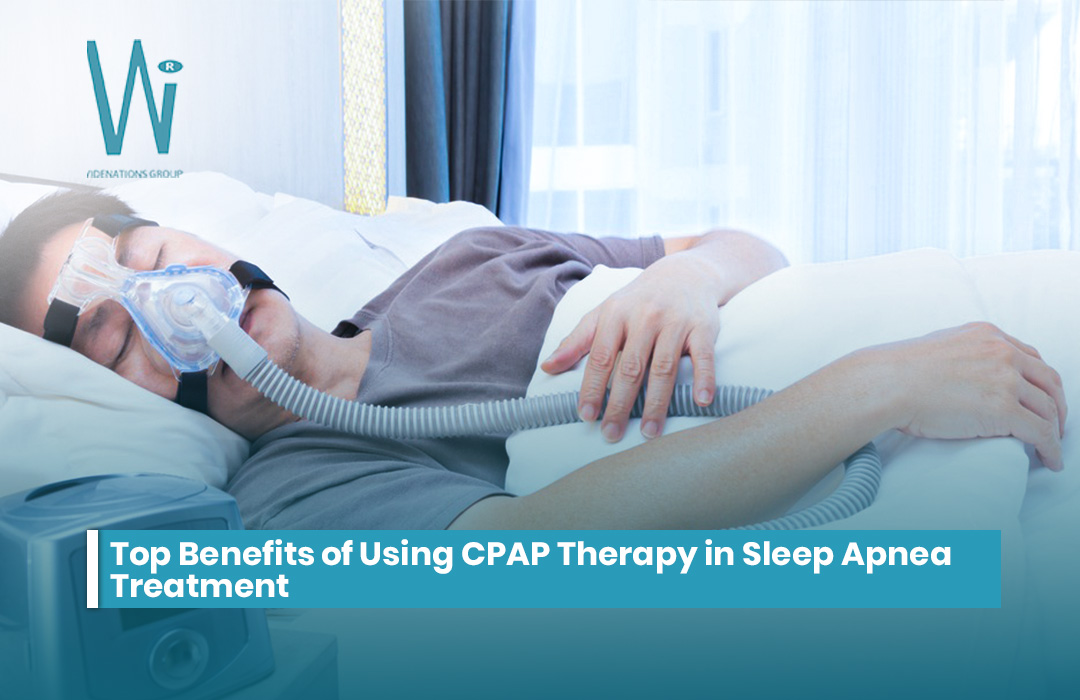
Sleep apnea is a common yet serious sleep disorder that affects millions worldwide. Proper sleep apnea treatment is essential for better health, improved energy, and overall well-being. Among available treatments, CPAP therapy (Continuous Positive Airway Pressure) has emerged as the most effective solution to manage sleep apnea and enhance the quality of life.
What Is Sleep Apnea Treatment and Why It Matters
Sleep apnea occurs when breathing repeatedly stops and starts during sleep. This condition can lead to fatigue, daytime sleepiness, high blood pressure, and other severe health risks. Sleep apnea treatment helps restore normal breathing patterns, ensuring restful sleep and preventing long-term health issues. Using CPAP therapy, patients can breathe comfortably throughout the night, promoting better sleep quality and overall wellness.
How CPAP Therapy Works in Sleep Apnea Treatment
CPAP therapy involves wearing a mask connected to a machine that delivers a steady stream of air. This airflow keeps the airways open, preventing interruptions in breathing. CPAP therapy is highly effective for moderate to severe sleep apnea cases. With consistent use, patients experience reduced snoring, fewer sleep disruptions, and improved nighttime oxygen levels.
Health Benefits of CPAP Therapy for Better Sleep
Using CPAP therapy in sleep apnea treatment brings numerous health benefits:
- Restores normal oxygen levels during sleep
- Reduces fatigue and daytime sleepiness
- Improves cardiovascular health by lowering blood pressure
- Improves memory, focus, and cognitive function
Patients often notice immediate improvements in energy levels, mood, and overall health after starting CPAP therapy.
CPAP Therapy and Its Role in Preventing Health Risks
Untreated sleep apnea increases the risk of heart disease, stroke, diabetes, and obesity. CPAP therapy works as a preventive solution by maintaining proper oxygen flow and reducing strain on the heart. Regular use can significantly lower the chances of developing chronic health conditions, making it an essential part of sleep apnea treatment.
Emotional Well-Being and Confidence with Sleep Apnea Treatment
A good night’s sleep directly impacts emotional health and confidence. CPAP therapy helps reduce irritability, anxiety, and depression linked with poor sleep. Patients who follow consistent sleep apnea treatment notice better social interaction, emotional stability, and self-confidence, enabling them to lead a more active lifestyle.
CPAP Therapy for Daily Energy and Productivity
Proper sleep apnea treatment ensures you wake up refreshed and energized. CPAP therapy boosts daytime productivity, alertness, and overall performance at work or school. Consistent use can lead to better focus, improved decision-making, and higher efficiency in daily tasks.
Overcoming Challenges in Sleep Apnea Treatment with CPAP
Some patients may face initial discomfort using CPAP machines. Common issues include mask fit, dryness, or noise. However, modern CPAP devices are designed for comfort, and healthcare providers can adjust masks, pressure settings, and humidifiers to improve experience. Persistence and proper guidance make CPAP therapy highly tolerable and effective.
Is CPAP Therapy the Right Sleep Apnea Treatment for You?
CPAP therapy is suitable for most patients with moderate to severe obstructive sleep apnea. Consultation with a healthcare professional is necessary to determine the right therapy and device. Personalized guidance ensures maximum benefits, adherence, and long-term health improvement.
Conclusion
Incorporating CPAP therapy as part of sleep apnea treatment provides life-changing benefits. From improved sleep quality and cardiovascular health to enhanced emotional well-being and productivity, CPAP therapy is a trusted solution for managing sleep apnea effectively. If you are struggling with poor sleep, it’s time to consider CPAP therapy for a healthier, more energetic life.
Frequently Asked Questions (FAQs)
What is CPAP therapy?
CPAP therapy delivers continuous air pressure to keep airways open during sleep, preventing interruptions in breathing.
Who should use CPAP therapy?
It is recommended for patients with moderate to severe obstructive sleep apnea.
How long should I use CPAP each night?
For best results, use CPAP every night for 6–8 hours.
Can CPAP therapy prevent health risks?
Yes, it reduces risks of heart disease, stroke, and high blood pressure associated with sleep apnea.
Are there side effects of CPAP therapy?
Some may experience dryness, mask discomfort, or mild irritation, which can be managed with proper adjustments.
How soon will I feel the benefits?
Many patients notice better sleep and daytime alertness within a few days to weeks of consistent use.