
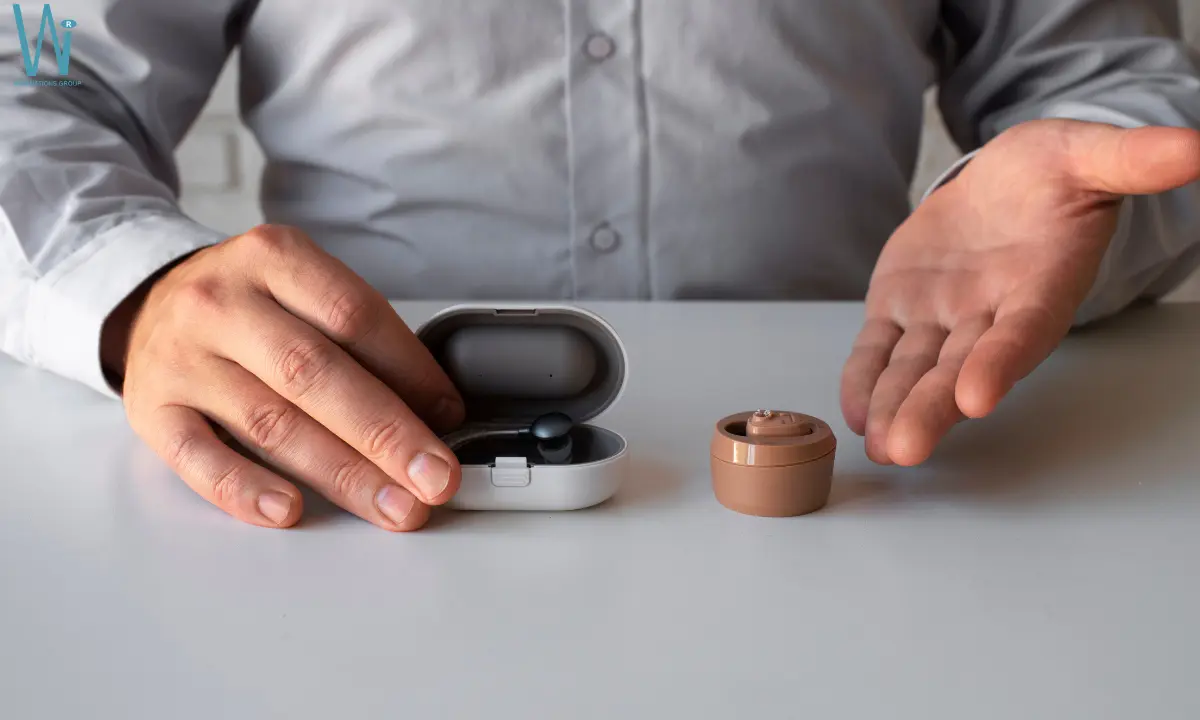
Modern audiology practices require strategic equipment selection to deliver accurate diagnoses and optimal patient care across diverse populations.
Pure-tone audiometers remain the gold standard for hearing assessment, measuring sensitivity across 250-8000 Hz frequencies to determine hearing loss type and severity.
Tympanometry and OAE testing provide objective middle ear evaluation without requiring patient participation, making them essential for pediatric and uncooperative patients.
ABR systems are indispensable for newborn screening and patients unable to complete behavioral tests, serving as the definitive method for confirming infant hearing loss.
Real Ear Measurement ensures hearing aid effectiveness by verifying devices deliver appropriate amplification inside the actual ear canal, yet only 30-40% of providers use this gold standard technique.
Portable and app-based devices expand access to hearing care beyond traditional clinic settings, enabling workplace screening, bedside testing, and telehealth consultations.
The key to building an effective audiology practice lies in matching your equipment selection to your primary patient demographics, newborn programs need OAE/ABR systems, while adult-focused clinics benefit most from audiometers and REM verification tools.
Most people in the U.S. will have a hearing test at some point in their lives. The accuracy of those results depends heavily on the quality of hearing test devices used. The tools and instruments used in audiology are numerous and keep advancing. This makes it essential for clinics to stay updated with the best equipment available.
The right audiology equipment is the foundation of modern hearing diagnostics. We’ve compiled this piece to help you choose the key tools for your practice in 2026. Pure-tone audiometers and app-compatible devices are among them.
Pure-Tone Audiometer
What It Is and Why It Matters
Pure-tone audiometry is the foundation of hearing assessment. It measures how well a person can detect isolated frequencies across the range needed for everyday listening. This behavioral test reviews hearing sensitivity by presenting pure tones at specific frequencies and determining the softest sound audible at least 50% of the time.
The method has become the gold standard assessment of peripheral auditory function. Pure-tone evaluation provides diagnostic information detailed enough to determine the degree, configuration, and type of hearing loss. This guides healthcare providers toward appropriate treatment strategies. Testing covers frequencies from 250 to 8000 Hz, representing most of the speech spectrum.
The test reveals both the anatomical location and severity of hearing loss. Air conduction and bone conduction thresholds within 10 dB of each other at frequencies outside normal limits indicate sensorineural hearing loss. This specificity makes pure-tone audiometry indispensable for patients concerned about abnormal auditory perception, ear trauma, or otologic disease.
Key Features of Modern Audiometers
Modern audiometers have five core components: an oscillator, amplifier, attenuator, earphones, and masking capability. The oscillator generates pure tones. The amplifier and attenuator control loudness levels. These devices must meet strict calibration standards from the American National Standards Institute (ANSI S3.6) and International Electrotechnical Commission (IEC 60645).
Testing environments require sound-treated booths calibrated to ANSI standards. This optimizes inter-test and intra-test reliability. According to ISO 8253-1:2010, maximum permissible ambient noise levels are transducer-dependent and must be maintained for accurate results.
Various transducers assess different auditory pathways depending on anatomical limitations. Standard options include supra-aural headphones, insert earphones, circumaural headphones, and bone conduction oscillators. Advanced models offer automatic testing with Hughson-Westlake and Békésy protocols, masking assistance, and special tests including SISI, tone decay, and ABLB. These distinguish cochlear from retrocochlear disorders.
How It Works in Clinical Settings
The audiologist positions appropriate transducers on the patient before relocating to an adjacent booth to control the audiometer. Testing begins with the better-hearing ear at 1000 Hz. Pure tones are presented through selected transducers. Patients respond by raising their hand, pressing a button, or giving verbal acknowledgment.
Results are recorded on an audiogram, which plots frequency in Hertz along the X-axis and loudness in decibels of hearing level (dB HL) along a reversed Y-axis. The pure-tone average (PTA) summarizes findings by calculating the arithmetic mean of thresholds at 500, 1000, and 2000 Hz. Testing duration ranges from 20 to 30 minutes.
Tympanometer
What It Is and Why It Matters
Tympanometry assesses middle ear function by measuring how the eardrum responds to changes in air pressure. Pure-tone audiometry assesses hearing sensitivity, but tympanometry gets into the mechanical properties of the middle ear system without measuring hearing ability itself. The procedure helps detect conditions like fluid accumulation, eardrum perforation, and Eustachian tube dysfunction that can contribute to hearing problems.
The global tympanometer market was valued at USD 185.79 million in 2025 and is predicted to reach USD 390.06 million by 2035 at an 8.1% CAGR. This growth reflects increased awareness of hearing health and rising prevalence of ear disorders like otitis media. Greater emphasis on neonatal and pediatric screening also plays a role. The change towards point-of-care testing and portable diagnostics further drives adoption of sophisticated tympanometers in healthcare settings.
Key Features of Modern Tympanometers
Every tympanometer contains five core components: a visual display showing results, a pump regulating ear canal pressure, a microphone recording sound pressure levels, a speaker producing probe tones, and a probe with rubber tip that forms a seal in the ear canal. The device maintains consistent sound pressure through an automatic gain control circuit while varying pressure conditions.
Modern systems offer multiple probe tone frequencies. The traditional 226 Hz tone works for adults and children over six months. The 1000 Hz provides accurate measurements for infants. Advanced models include 678 Hz and 800 Hz options to diagnose ossicular chain disorders like otosclerosis and ossicular discontinuity. Wideband tympanometry expands diagnostic capabilities by measuring across multiple frequencies at once and creates 3D graphs of middle ear performance.
Pressure ranges span from minus 600 daPa to 300 daPa, though testing doesn’t require these extremes. Pump speeds vary between 50 and 200 daPa/s. Faster speeds provide noise-resistant recordings. Slower speeds collect more data points for increased accuracy.
How It Works in Clinical Settings
Clinicians first perform otoscopy to check contraindications like occluding wax or active infections that would affect results. After selecting an appropriately sized probe tip to form a tight seal, the measurement begins at atmospheric pressure. The pump increases ear canal pressure to maximum (200 to 300 daPa) to measure equivalent ear canal volume, then reduces pressure to the minimum setting before returning to 0 daPa.
Results display as a tympanogram graph that plots admittance against pressure. Type A curves indicate normal middle ear function. Type B flat lines suggest fluid behind the eardrum. Type C patterns show negative pressure from conditions like Eustachian tube dysfunction. The whole process takes fewer than five minutes per ear.
Otoacoustic Emissions (OAE) Analyzer
What It Is and Why It Matters
Outer hair cells in the cochlea generate sounds when external sounds stimulate them. These sounds are otoacoustic emissions. A specialized probe detects these faint acoustic signals. The probe has speakers and a microphone that sits in the ear canal. Healthy ears produce signals that range from -10 dB SPL to +30 dB SPL. The test gives objective and reliable results quickly. Patient participation is not required. This makes the test vital for newborn screening and patients who cannot complete behavioral assessments.
The global OAE hearing screener market is expanding at a rapid pace. Congenital hearing loss affects approximately 1-3 per 1,000 live births globally. This prevalence creates a need for adaptable screening solutions. Government-mandated universal newborn hearing screening programmes have accelerated market growth. Technological development has brought miniaturisation and improved signal processing algorithms.
Key Features of Modern OAE Systems
Two primary emission types are what modern OAE devices measure. Transient-evoked OAE (TEOAE) uses click or tone burst stimuli. It activates a wide area of the basilar membrane and is used for newborn and infant testing. Distortion product OAE (DPOAE) presents two pure tones at specific frequencies at the same time. It measures cochlear interaction between the tones. Older infants and adults are tested with this method.
Clinical systems like the Madsen Capella² offer stimulus frequency ranges from 500-10,000 Hz. Customizable protocols and multiple calibration options are available. These include Chirp or Optimized In Situ methods. Advanced units provide automated screening algorithms that assign pass or refer results. Operator dependency is reduced. AI-powered signal interpretation improves diagnostic accuracy. It identifies subtle cochlear emission patterns that conventional algorithms might overlook.
How It Works in Clinical Settings
A small probe is inserted into the ear canal to create an approximate hermetic seal. The probe contains both stimulus delivery and recording components. Calibrated sounds are delivered by the device. A sensitive microphone measures returning emissions. Testing takes 30 seconds to several minutes. Results display as either pass or refer. Present OAEs indicate normal to near-normal hearing. Absent emissions may signal hearing loss, wax blockage, middle ear fluid, or structural abnormalities that require additional evaluation.
Auditory Brainstem Response (ABR) System
What It Is and Why It Matters
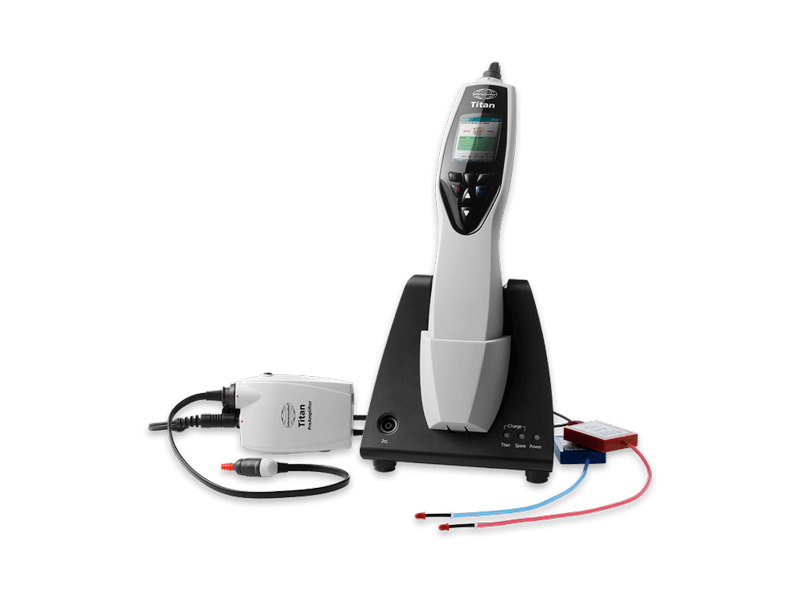
ABR testing measures synchronous neural function along the auditory pathway from the cochlea to the brainstem. This neurological assessment evaluates the brain’s electrical response to sound stimuli, unlike direct hearing tests. Small electrodes placed on the scalp and earlobes record brain wave activity when sounds are delivered through earphones. Audiologists analyze a graph of responses to determine hearing thresholds.
The method proves a great way to get reliable results for newborns, young children, and patients unable to provide subjective responses during standard assessments. ABR has been the gold standard to confirm hearing loss in infants who fail newborn hearing screens. The test remains painless and 100% safe, with no electrical currents or harmful effects. Sleep does not affect ABR recordings. Testing can occur while infants nap or patients remain sedated.
Key Features of Modern ABR Equipment
Modern ABR systems require surface electrodes, earphones, electrode gel, and laptop-based analyzing software. Computer-based diagnostic systems use high-quality electrodes and amplifiers to capture even the smallest brain responses. The Eclipse platform, to name just one example, reduced preamplifier noise by 50% while incorporating Bayesian Weighting to maintain stable waveforms during patient movement.
Testing employs two main stimulus types. Broadband click stimuli generate responses in the 2000 to 4000 Hz cochlear range and produce classic waveform morphology. Frequency-specific tone bursts at 500, 1000, 2000, and 4000 Hz provide detailed threshold information. The revolutionary CE-Chirp compensates for cochlear travel times and generates waveform responses twice the size of traditional stimuli.
Seven positive wave peaks labeled I through VII comprise ABR recordings. Wave V serves as the main focus for threshold testing due to its size and detectability. Typical ABR amplitudes range between 0.1 and 1 microvolt.
How It Works in Clinical Settings
Electrodes are positioned based on the International 10-20 system used in electroencephalography. Acoustic stimuli are delivered at 80-90 dBnHL for adults through inserted earphones. Testing occurs in noise-controlled, soundproof or semi-soundproof environments to ensure accurate readings. Patients rest quietly or sleep during the procedure, which takes one to two hours. The final result averages responses to several thousand stimulus repetitions.
Video Otoscope
What It Is and Why It Matters
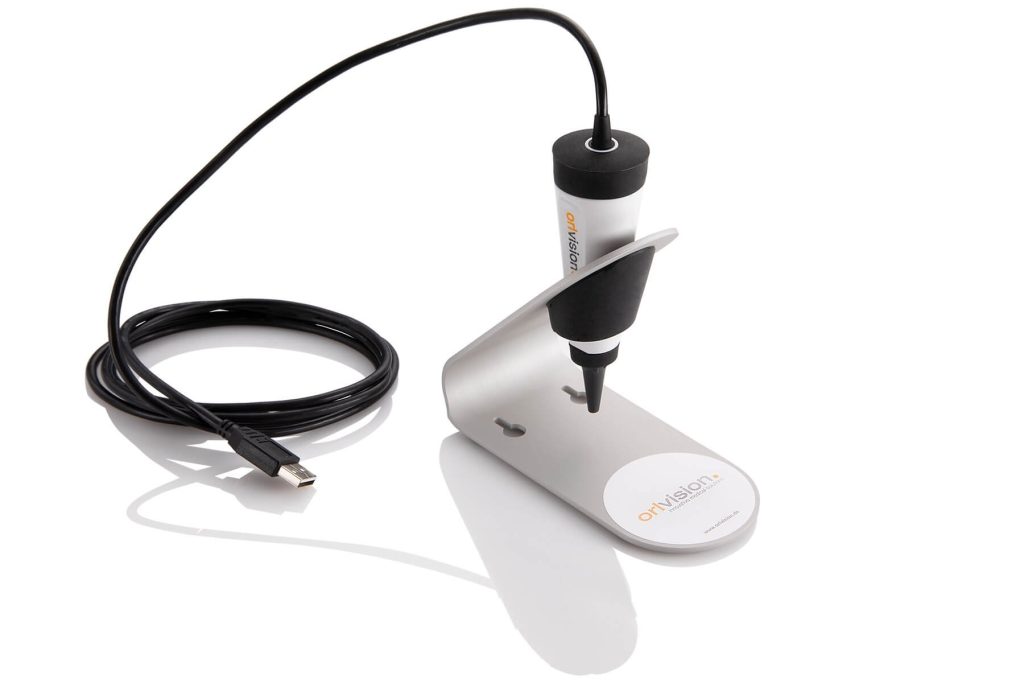
Video otoscopes incorporate miniature cameras at their tips to capture immediate imagery of the ear canal and tympanic membrane. These visuals display on external screens during examinations. This technology represents a transformation from conventional direct-illumination devices. Digital models command a 3x to 5x price premium over traditional otoscopes. The premium generates value through telemedicine integration, clinical documentation compliance and reduced unnecessary ENT referrals. Primary care physicians can share images with specialists remotely.
The portable otoscope segment is projected to hold 54.6% of market revenue in 2026. High-resolution imaging, LED lighting and digital connectivity improve examination quality. They make remote consultations possible. Portable models allow clinicians to conduct assessments without fixed equipment constraints. This supports point-of-care and remote healthcare services.
Key Features of Modern Video Otoscopes
Modern units deliver resolution ranging from 1.3 megapixels to 1280 x 1024 pixels. The DE500 model offers magnification up to 50x optically and 150x digitally. Video streams at 30 frames per second. Systems incorporate multiple ultra-bright LEDs with adjustable brightness and multi-layered glass lenses with 650nm cutoff.
Video otoscopes provide 25x to 30x magnification through specialized lens systems. A hollow 2-mm diameter working channel built into the probe allows instrument access during procedures. Fiberoptic light fibers deliver 100 watts of concentrated illumination. Wireless capabilities make connection to screens possible without cable constraints. Patients can view during examinations.
How It Works in Clinical Settings
The device streams captured images to displays. Patients see exactly what clinicians observe during assessments. This transparency is a great way to get patient education about auditory challenges and earwax buildup complications. Visual documentation makes monitoring changes over time possible and verifies treatment effectiveness.
Documenting ear canal conditions before and after procedures provides liability protection for cerumen management or earmold impressions.
Recorded evidence can prove no perforation occurred if patients make claims about these procedures. Video otoscopes also help inspect hearing aids for physical damage, corrosion and wax accumulation. Serial numbers become visible on larger screens.
Pricing and Investment Considerations
Digital video otoscopes range from affordable USB models to professional clinical systems. Integration with Noah, TIMS, Blueprint OMS and Sycle software makes continuous patient record management possible. The devices support telemedicine through compatibility with video conferencing platforms.
Real Ear Measurement (REM) System
What It Is and Why It Matters
Real Ear Measurement represents the gold standard verification technique used to confirm hearing aids deliver appropriate amplification inside your actual ear canal. A thin probe microphone is placed within 5 mm of the eardrum alongside the hearing aid to measure sound pressure levels. This verification method will give a match between devices and prescribed targets based on your unique ear anatomy rather than relying on manufacturer averages.
Audiology organizations consider it best practice, yet only 30-40% of hearing care providers use REM when fitting hearing aids. Studies show that 34% of clinics reported using REM equipment, even though it was available in 57% of clinics. This underutilization is concerning because research shows satisfaction with hearing aids drops by a lot (18%) after one year for those fitted without REM.
Key Features of Modern REM Systems
Modern systems like the MedRx AWRC combine complete dual-channel audiometry with high-frequency wireless REM capabilities and test up to 12,500 Hz. Two wireless Bluetooth probe microphones connect for each fitting session. The Aurical Freefit has binaural fitting capability with unique OnTarget mode to compare hearing aid output against target curves.
REM software has multiple prescriptive formulas such as DSL v5.0, NAL-NL1, NAL-NL2 and NAL-NL3. Systems integrate with hearing instrument fitting software from Phonak, ReSound, Oticon, Unitron, Starkey, Signia and Widex. Probe tube placement assistance features provide on-screen guided placement to get accurate measurements.
How It Works in Clinical Settings
Audiologists review the client’s audiogram before switching on the hearing aid to begin verification. Three different stimulus levels are tested: 65, 50 and 80 dB. This assessment happens at varying intensity levels. The procedure takes 20-30 minutes to complete for both ears. Gain trimmers in hearing aid software are adjusted until achieving a target match at all three levels.
Pricing and Investment Considerations
The MedRx AWRC system is powered via USB connection and offers portability at 20 cm x 12 cm x 3 cm dimensions. Systems meet ANSI S3.46 and IEC 61669 standards to measure real-ear performance. Noah, TIMS, Blueprint OMS, Sycle and OtoAccess 2 compatibility make workflows standardised across multi-location clinics.
Portable Screening Audiometer
What It Is and Why It Matters
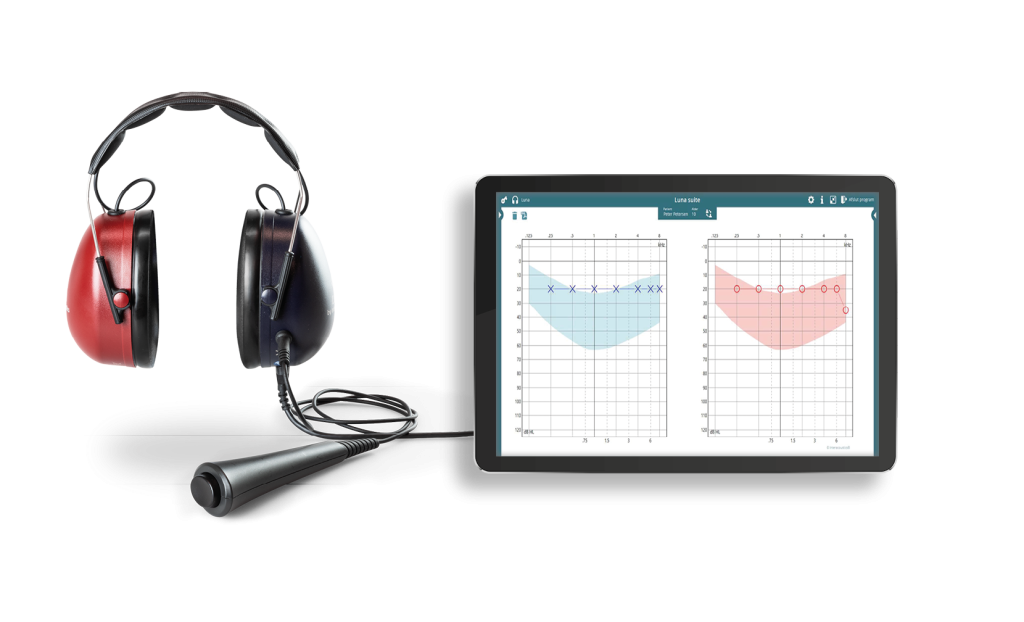
Portable screening audiometers bring hearing assessments to patients and transform access if you have trouble travelling to clinical settings. These lightweight, battery-operated devices perform quick hearing evaluations in schools, workplaces, hospitals and home environments. The instruments identify potential hearing issues at early stages and serve 14.9% of school-aged children who present with some degree of hearing loss.
Screening is different from full diagnostic testing. It performs pass-or-refer assessments at set intensity levels across several frequencies. Hospital patients who experience sudden sensorineural hearing loss or ototoxic medication side effects benefit from bedside testing when clinic travel proves impossible. Workplace hearing conservation programs rely on portable devices to verify hearing protection adequacy and meet legal requirements.
Key Features of Portable Screening Devices
The Luna USB audiometer weighs just 500 grams. It connects to Windows tablets or laptops for immediate testing. Randomized frequency presentation produces reliable patient responses without bulky equipment. A default seven-frequency automatic test completes in one minute. The MA 25 weighs 980 grams and operates on three AA batteries. It offers 11 frequencies from 125 Hz to 8000 Hz with pure tone and warble stimuli.
Oscilla A30, A50 and A60 models provide USB-powered operation with noise-canceling headphones and ergonomic handheld patient response buttons that clarify during sessions. Triangle offers rechargeable Li-Ion battery operation with internal storage for 100 patients and three automatic protocols: Hughson-Westlake, Quick Search and Fixed Intensity methods.
How Do You Test If Hearing Aid Is Working With This Device
Test options include manual, automatic, automatic 20 dB and Hughson-Westlake protocols with pure tone, warble and pulse stimuli in 1, 2 and 5 dB steps. PTA, CPT-AMA and PLH calculations provide objective verification data.
Bone Conduction Audiometer
What It Is and Why It Matters
Bone conduction transmits sound to the inner ear through skull vibrations. The process bypasses outer and middle ear structures completely. This pathway proves vital to separate conductive hearing loss from sensorineural hearing loss by isolating cochlear function. Bone conduction testing reveals whether the inner ear functions normally when something blocks your outer or middle ear.
An electromechanical oscillator placed on the skull stimulates the cochlea and replaces the role eardrums normally perform. Sound reaches the cochlea as vibrations through bone and skin instead of travelling through air and the ear canal. This difference makes bone conduction audiometers indispensable to diagnose the location and type of hearing impairment.
Key Features of Bone Conduction Systems
The Amplivox 240 delivers manual and automatic air conduction alongside bone conduction and masking capabilities to diagnose hearing loss types. The device operates across 125 to 8000 Hz with an attenuation range of -10 to 100 dBHL. Pure, pulsed, and warble tone selections provide testing flexibility. Narrowband masking separates hearing loss sides.
Optional battery power makes mobile testing possible in challenging environments when combined with Amplivox Audiocups. Integration with NOAH hearing software and the included AmpliSuite PC software allows continuous workflow. Standard equipment has audiometric and bone conduction headsets, patient response switches, and a three-year warranty.
How It Works in Clinical Settings
Audiologists attach the bone oscillator to either the mastoid bone or forehead. Mastoid placement remains most common, though forehead testing requires 10 dB higher intensity to get equivalent responses. Equipment calibration compensates for this difference at the preferred placement location.
Masking becomes vital during bone conduction testing because skull vibrations reach both cochleae at once. The better ear always responds unless masking noise isolates the intended ear.
Pricing and Investment Considerations
Portable diagnostic audiometers with bone conduction capabilities range from $1,500 to $3,000 depending on features and automation levels.
Speech Audiometry System
What It Is and Why It Matters
Most people seeking audiology services cite difficulties understanding speech as their main concern. Speech audiometry addresses this by using spoken words as test stimuli rather than isolated tones. Two distinct assessments are the foundations: one determines how loud speech needs to be for detection. The other measures clarity and word difference.
The Speech Recognition Threshold (SRT) identifies the lowest volume at which 50% of spondee words like “hotdog” or “baseball” are repeated correctly. Word Recognition Score (WRS) evaluates the percentage of single-syllable words understood at comfortable listening levels. Testing takes 10-15 minutes per ear. These scores are a great way to get insights when pure tone results alone cannot predict real-life communication abilities.
Key Features of Speech Testing Equipment
Diagnostic audiometers with speech capabilities include the Amplivox Model 270+ for improved SRT and SDT testing. Model 260 offers portable recorded speech functionality, and Model 270 provides two-channel measurements. Interacoustics offers speech testing through AC40, AD528, AD629, Equinox Evo and Callisto models.
Systems accommodate both monitored live voice with VU meters and standardized recorded word lists including W-22 and NU-6.
How It Works in Clinical Settings
Patients wear headphones in sound booths and repeat words presented at decreasing volumes. Speech discrimination measures the auditory pathway’s knowing how to process words once detected accurately.
Pricing and Investment Considerations
Speech-capable diagnostic audiometers range from mid-tier to premium pricing based on channel count and automation features.
Diagnostic Hearing Test App Compatible Devices
Is There a Hearing Test App That Professionals Use
Smartphone-based hearing assessments have entered clinical workflows. Apps like SHOEBOX and Screenout showed high accuracy in clinical evaluations, with sensitivity ranging from 18% to 100% and specificity from 35.5% to 99.1% across studies. Mimi Hearing Technologies developed solutions for healthcare integration and offers clinics, telehealth providers, and health-tech companies reliable testing platforms. Johns Hopkins Bloomberg School of Public Health created the Hearing Number app. The app is now available in 28 countries in English and Spanish, with additional languages launching soon.
Apple Hearing Test Compatible Devices and Integration
AirPods Pro 2 and AirPods Pro 3 received FDA authorization for hearing testing and hearing aid functionality. The built-in test uses pure-tone audiometry and plays a series of tones over five minutes. Test results sync with Apple Health for longitudinal tracking. The system requires iOS 18 or later. Adults 18 years and older can use it.
Key Features of App-Based Testing Systems
App-based systems measure Pure Tone Threshold in under 2 minutes per ear. The WHO hearWHO app employs digits-in-noise technology for screening. AirPods, Samsung Galaxy Buds, Sony WF-1000XM5, and Bose QuietComfort models work with these systems.
Pricing and Investment Considerations
The Mimi Hearing Test, Johns Hopkins Hearing Number app, and WHO hearWHO remain free for consumers.
Conclusion
Selecting the right hearing test equipment for your practice depends on your specific diagnostic needs and patient demographics. Newborn screening programs rely heavily on OAE analyzers and ABR systems. Adult-focused clinics benefit more from pure-tone audiometers and REM systems.
Identify which patient populations you serve most frequently. Then invest in devices that address those main assessment needs. You can expand with specialized tools like video otoscopes and speech audiometry systems after your foundational equipment is in place. These additions will boost diagnostic capabilities and patient education.
FAQs
Six brands dominate the hearing industry: Oticon, Phonak, Resound, Signia/Siemens, Starkey, and Jabra. These manufacturers produce both hearing aids and diagnostic equipment used in audiology clinics worldwide.
Both brands offer excellent technology with different strengths. Phonak hearing aids are recognised for their natural sound quality and connectivity features, while Signia hearing aids emphasise artificial intelligence capabilities and contemporary design aesthetics.
The 60/60 rule is a simple guideline to prevent noise-induced hearing loss: keep your audio volume at no more than 60% of maximum capacity and limit continuous listening sessions to 60 minutes before taking a break.
Testing duration varies by device type. Pure-tone audiometry typically takes 20-30 minutes, tympanometry requires less than 5 minutes per ear, and speech audiometry takes 10-15 minutes per ear. Comprehensive assessments combining multiple tests may take 1-2 hours.
Screening tests provide quick pass-or-refer assessments at set intensity levels to identify potential hearing issues, often completed in minutes. Diagnostic tests are comprehensive evaluations that determine the specific type, degree, and configuration of hearing loss, requiring specialized equipment and more time.