
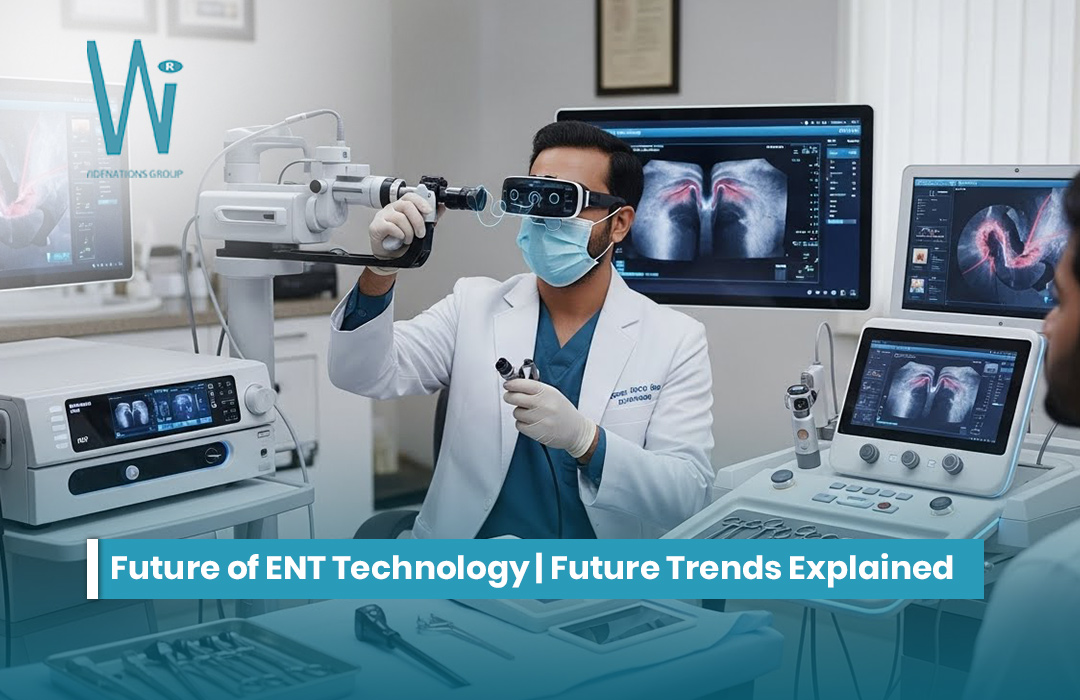
The field of ENT (Ear, Nose, and Throat) technology has experienced tremendous growth over the past few years. With innovative tools and digital solutions, ENT specialists can now offer faster, more accurate, and minimally invasive treatments. Understanding the future of ENT technology is essential for clinics, hospitals, and healthcare investors who want to stay ahead in patient care.
How ENT Technology Has Changed Over the Years
ENT technology has come a long way from simple manual instruments. Earlier, diagnosis relied heavily on physical examinations and basic tools. Today, modern ENT devices provide precise imaging, digital monitoring, and real-time patient data. This shift has made treatments safer, faster, and more effective. Hospitals and clinics investing in advanced ENT equipment can ensure better patient outcomes.
Smart ENT Devices That Improve Patient Care
Modern smart ENT devices are transforming patient care. These tools include digital otoscopes, endoscopes, and sinus surgery devices that are highly accurate. Smart devices allow ENT doctors to monitor patients remotely, reducing the need for frequent hospital visits. Clinics using these technologies often report higher patient satisfaction and more efficient workflow.
AI and Digital Tools Used in ENT Diagnosis
Artificial intelligence (AI) and digital tools are playing a key role in ENT diagnosis. AI can analyze complex imaging data, detect abnormalities, and even suggest preliminary diagnoses. This technology reduces human error and improves the efficiency of ENT specialists. Incorporating AI-based software in ENT clinics is becoming a standard for modern healthcare facilities.
Wearable ENT Monitoring Devices of the Future
Wearable devices are revolutionizing how ENT conditions are tracked. These gadgets can monitor sleep apnea, hearing issues, and other ENT-related conditions in real time. Patients can share data directly with doctors, allowing personalized treatment plans. Clinics that adopt wearable ENT technology offer proactive care, which increases patient trust and long-term engagement.
Robotics in Ear, Nose, and Throat Surgeries
Robotic-assisted surgeries are becoming more common in ENT procedures. These tools allow surgeons to perform minimally invasive operations with precision. Patients experience faster recovery, minimal pain, and reduced risk of complications. For ENT clinics, robotic systems enhance treatment quality and attract patients looking for advanced healthcare options.
Tele-ENT: Online Consultations and Remote Care
Telemedicine has become a vital part of modern ENT care. Tele-ENT consultations allow patients to connect with specialists from the comfort of their home. This service is especially useful for follow-ups, minor issues, and preventive care. Clinics offering tele-ENT services can expand their reach and provide continuous care without geographical limits.
Eco-Friendly ENT Tools and Sustainable Design
Sustainability is becoming a priority in medical technology. Modern ENT devices are being designed to reduce energy consumption, limit disposable materials, and lower carbon footprints. Clinics adopting eco-friendly ENT tools not only support environmental responsibility but also appeal to patients who value sustainable healthcare practices.
Challenges ENT Technology Needs to Solve
Despite technological advancements, some challenges remain. High equipment costs, training requirements, and data security are primary concerns. Clinics and healthcare providers must carefully select ENT technology solutions that balance cost-effectiveness with high-quality performance. Addressing these challenges ensures that new technology benefits both doctors and patients.
What the Next 10 Years of ENT Innovation May Look Like
The future of ENT technology promises even more exciting innovations. AI integration, remote monitoring, robotic-assisted procedures, and wearable devices will become mainstream. Personalized medicine and patient-centric digital platforms will transform ENT care, making it more efficient, accurate, and accessible worldwide.
Conclusion
The future of ENT technology is bright and full of opportunities. From AI-driven diagnostics to robotic surgeries and wearable monitoring devices, these innovations are reshaping patient care. Clinics that invest in advanced ENT technology can provide superior services, improve patient satisfaction, and stay ahead in the competitive healthcare market.
Investing in modern ENT devices today ensures your clinic is prepared for the evolving demands of tomorrow’s healthcare landscape.